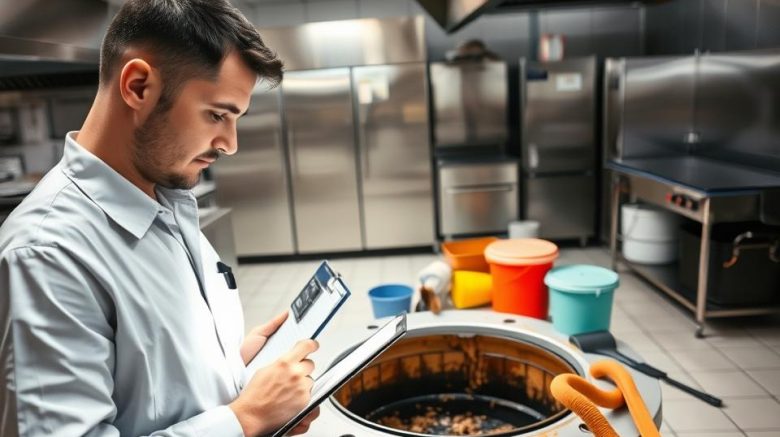
Have you ever considered the consequences of FOG and kitchen debris on your establishment’s drainage system? This is a concern often neglected, but the results can be serious. Prioritizing routine grease trap maintenance is vital for an efficient kitchen operation and to avert high-priced drainage repairs. Our team delivers professional grease waste removal customized to your requirements.
Find information about grease cleaning and pumping

This resource about grease cleaning and pumping

Take a look about grease cleaning and pumping
At the heart of our services is routine maintenance of FOG traps. This is vital for ensuring adherence to regulations and operational flow in your kitchen. Utilizing state-of-the-art tools and experienced professionals available 24/7, we aim to assist you in ensuring your company running efficiently. Let’s discuss the significance of correct interceptor maintenance and the optimal practices for a sanitary and legal food preparation area.
Understanding Grease Traps And Their Importance
Grease traps are vital for the smooth and sanitary running of food service establishments. Known also as grease interceptors, they manage the wastewater from restaurants and cafes properly. How they work and why they matter are fundamental to the sustainability of dining establishments.
Understanding The Grease Trap Device
A grease trap is a mechanism built to capture FOG waste prior to reaching the public wastewater lines. Its key purpose is to stop these materials from blocking drains, which often leads to costly repair bills. Placed within the plumbing system, these devices utilize internal baffles to trap debris and fats.
During the flow of drainage, low-density items like fat separate to the upper layer, whereas solid debris sink to the base. This facilitates efficient separation, maintaining the lines flowing freely.
The Mechanism Of Grease Traps In Restaurants
The grease trap’s function relies on separating and holding waste. During intense service periods, during peak hours, maintaining these traps is essential. Frequent emptying is necessary to control the accumulation of grease and solids.
This cleaning process clears out the collected waste, stopping clogs and ensuring sanitary conditions. Effective grease trap waste disposal mechanisms ensure the workspace is safe and legal with health regulations. Restaurants that service their grease traps efficiently improve workflow and maintain sanitation guidelines.
| Trap Capability | Value In Food Service |
|---|---|
| Removes grease from drainage | Stops pipe blockages and expensive fixes |
| Allows for routine cleaning | Guarantees adherence to sanitary laws |
| Maintains a sanitary workspace | Aids in food safety and sanitation |
Strategies For Effective Grease Trap Care
In every professional food service area, maintaining grease traps is vital. A steady maintenance plan is fundamental to stop backups and leaks. Regular upkeep doesn’t just ensure smooth operations but also protects against sanitation penalties.
Scheduled Upkeep Plans
Setting up a maintenance schedule is vital to make sure the trap works well. Typically, cleaning is needed every one to three months, depending on the kitchen’s usage and FOG production. A consistent plan lowers the possibility of FOG accumulation and associated problems.
Signs Your Grease Trap Needs Immediate Attention
Identifying signs of a full trap can help avoid bigger problems and expensive fixes. Look out for these symptoms:
- Frequent backups in sinks and drains
- Foul smells coming from the unit
- Water draining slowly
It’s crucial to address these signs promptly. Overlooking these signs can cause serious fines and penalties from health inspectors. For effective grease removal in restaurant environments, engaging expert cleaners ensures compliance and continuous operations.
Choosing The Right Service For Restaurant Grease Trap Pumping
Choosing the best interceptor cleaning company is essential to keeping commercial kitchens running smoothly. It is important to understand the factors at play to make informed decisions. This can significantly enhance your restaurant’s sanitation levels.
Key Criteria For Selecting A Service Provider
Various important elements ought to impact your selection when hiring grease trap services:
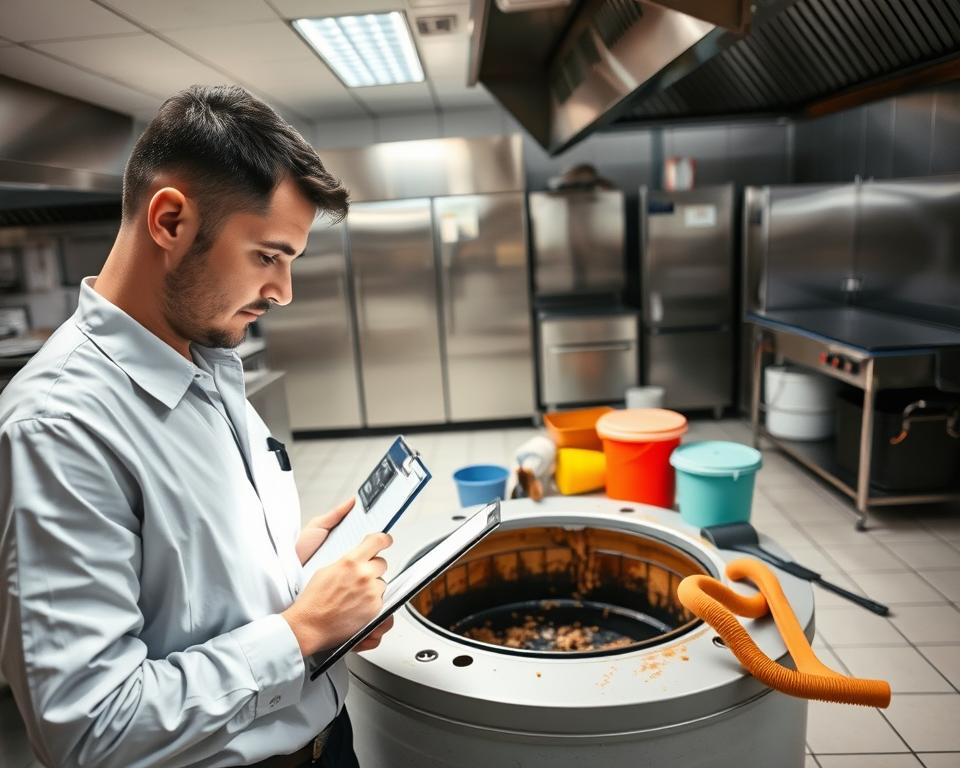
- Experience: Opt for teams that are established. Their skill in handling FOG is a major asset.
- Certification: Ensure the provider is fully certified and adheres to regional disposal regulations.
- Customer Reviews: Look at feedback from other businesses to assess reliability and the standard of work.
- Equipment and Techniques: Make sure the provider uses state-of-the-art tools for clearing lines. Old-fashioned methods might fail to do the job.
- Response Time: Rapid service deployment is crucial to prevent costly downtime.
Value Of Professional Interceptor Services
Professional grease trap services provide major advantages:
- Efficient FOG Removal: Experts ensure waste is disposed of correctly, minimizing environmental risks.
- Efficiency: Outsourcing grease maintenance frees up kitchen staff to concentrate on cooking.
- Meeting Legal Standards: Professionals keep up with regulatory changes, ensuring you remain legal.
- Hygiene and Protection: Correct upkeep lowers sanitary risks and plumbing obstructions.
- Saving Money Over Time: Scheduled maintenance can prevent high-priced restoration or replacements later on.
Ecological Effects Of Correct Grease Disposal
Responsible grease management is vital for saving the environment. Efficient interceptor care decreases impurities in local water bodies. This doesn’t just protect aquatic life but also benefits ecological health. Companies should realize their role in waste management to adhere to waste codes, consequently minimizing the negative effects of FOG waste.
Ecological Benefits Of Correct Disposal
Efficient grease waste disposal has several positive impacts on nature:
- It stops fats and oils from polluting water by stopping it from reaching the sewers.
- It aids the operation of sewage treatment plants.
- It aids in the health of local wildlife and ecosystems.
Regulations For Grease Trap Waste Disposal
Complying with waste management codes is mandatory for restaurants and caterers. These guidelines make sure responsible handling of trap contents. Important rules are:
| Regulation | Description |
|---|---|
| Clean Water Legislation | A federal law that regulates the release of contaminants into the waters of the United States. |
| Local Waste Management Policies | Guidelines created by local governments regarding the disposal and treatment of FOG residue. |
| Documentation | Service firms need to keep accurate documentation of service operations to ensure responsibility. |
By adhering to these regulations, restaurants make sure of effective grease management and lower harm to nature. Realizing the value of responsible waste practices supports a greener future for society and nature.
Importance Of Grease Pumping In Food Service
In the fast-paced world of restaurants, FOG trap cleaning are crucial for maintaining efficiency and cleanliness. These devices are key in blocking fats from entering the sewage system, which results in obstructions and lead to hefty fines. Regular pumping stops these tanks from backing up, protecting the kitchen from potential health hazards and protecting food quality.
Keeping food service grease interceptors in peak working order is key to satisfying sanitary regulations and ensuring a hygienic space. A properly serviced unit reduces the risk of unpleasant stenches and keeps the workspace sanitary for the team and guests. By selecting expert trap cleaning, eateries can concentrate on providing excellent meals without worrying about grease issues.
Additionally, regular pumping of grease interceptors is not just standard maintenance; it’s an investment in the future viability of food service businesses. Establishments that stick to a routine maintenance timeline escape the requirement for emergency cleanups and back eco-friendly efforts by guaranteeing correct waste handling. Stressing the value of this service is crucial for building a secure and legal kitchen atmosphere.
******************************************************
Learn about this about grease cleaning and pumping

See more here about grease cleaning and pumping

Source about grease cleaning and pumping
Related: Canyon Country Compliance and Grease Trap Cleaning Canyon Country